
Duis aute irure dolor in reprehenderit in voluptate velit esse cillum
Khaneh Pedari
- Client : Private
- Area : 600 Sqm
- Location : Kelardasht, Mazandaran
- Architect : Aida Saravi
- Function : Residential
- Total floor : 3
- Status : Completed
- Date : 2018
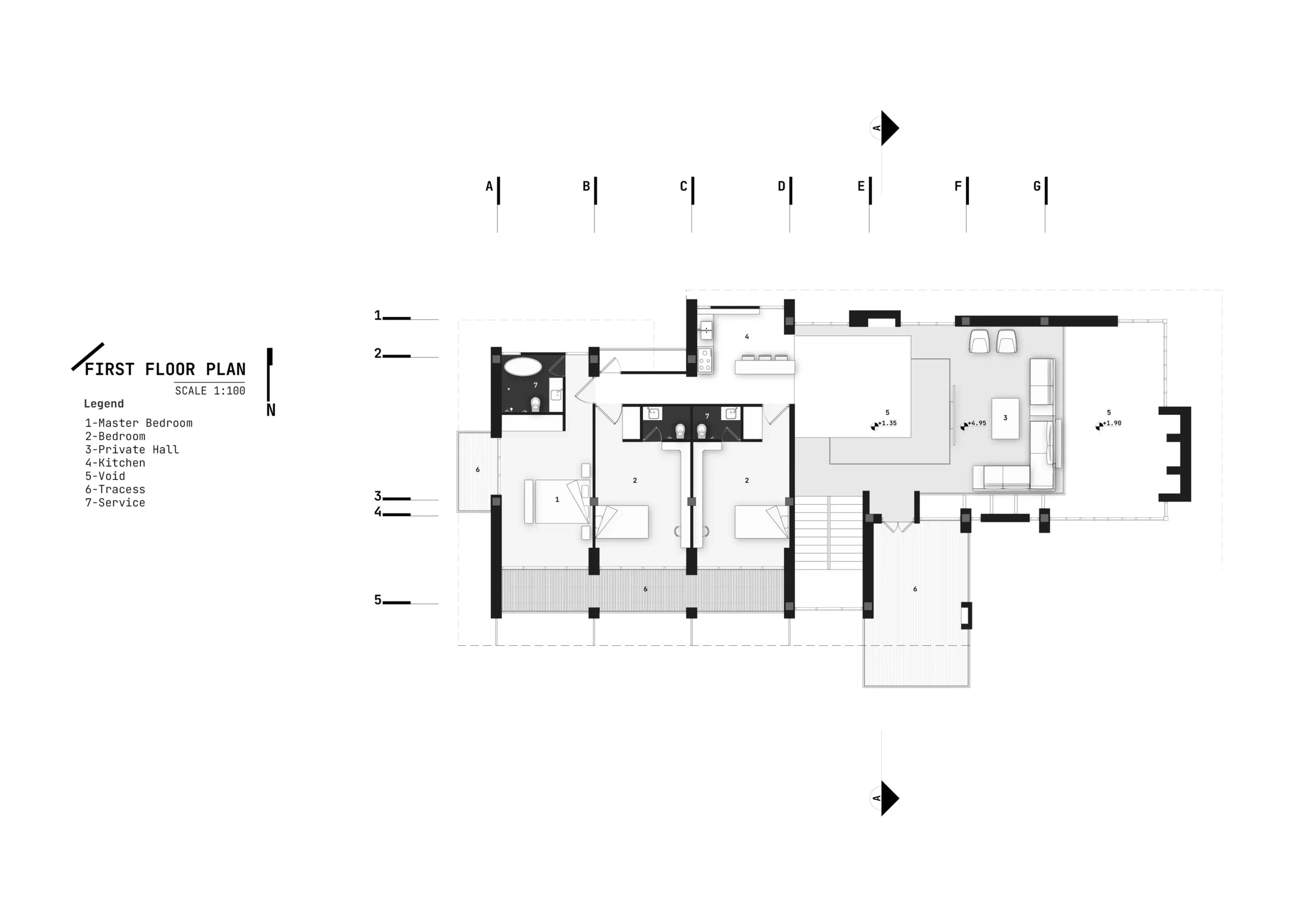
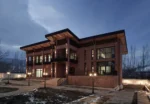
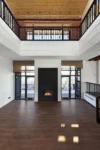
“Khaneh Pedari” is an antithesis for an experience of the living space that has been encountered during childhood and in the grandfather’s house. The image captured of the members’ behaviors and interactions in the house has shaped an understanding that led to the redefinition of the diagram of spatial relationships and their functions. This villa is designed based on the pattern of family life for those eager to spend long hours together with satisfaction and tranquility. To implement this idea, spaces are defined in a way that addresses the needs of each member and provides desirable living conditions. The primary concern in Khaneh Pedari is the “diagram of relationships,” designed to transfer the concept of family, with its values, vividly to the next generation.
Khaneye Pedari is the second project of the villa series of Yekom office. This project has modern design from the beginning, striving to give meaning to the concept of family life in a broader cultural context. This is while traces of the past presence in the house still exist among the next generations, encouraging the residents of Khaneh Pedari to find and define spaces for their presence while paying attention to the new dimension of involvement and participation in the concept of home. Each family member, upon entering the house, becomes part of the cohesive family whole. While owning spaces dedicated to them, they also benefit from the unity of the house space.
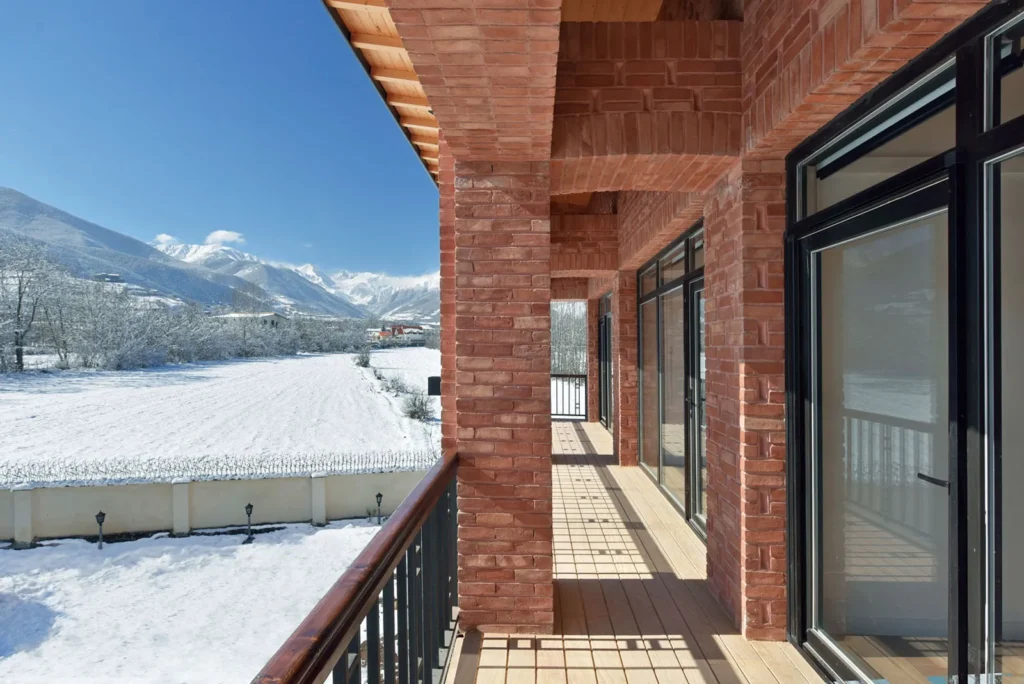
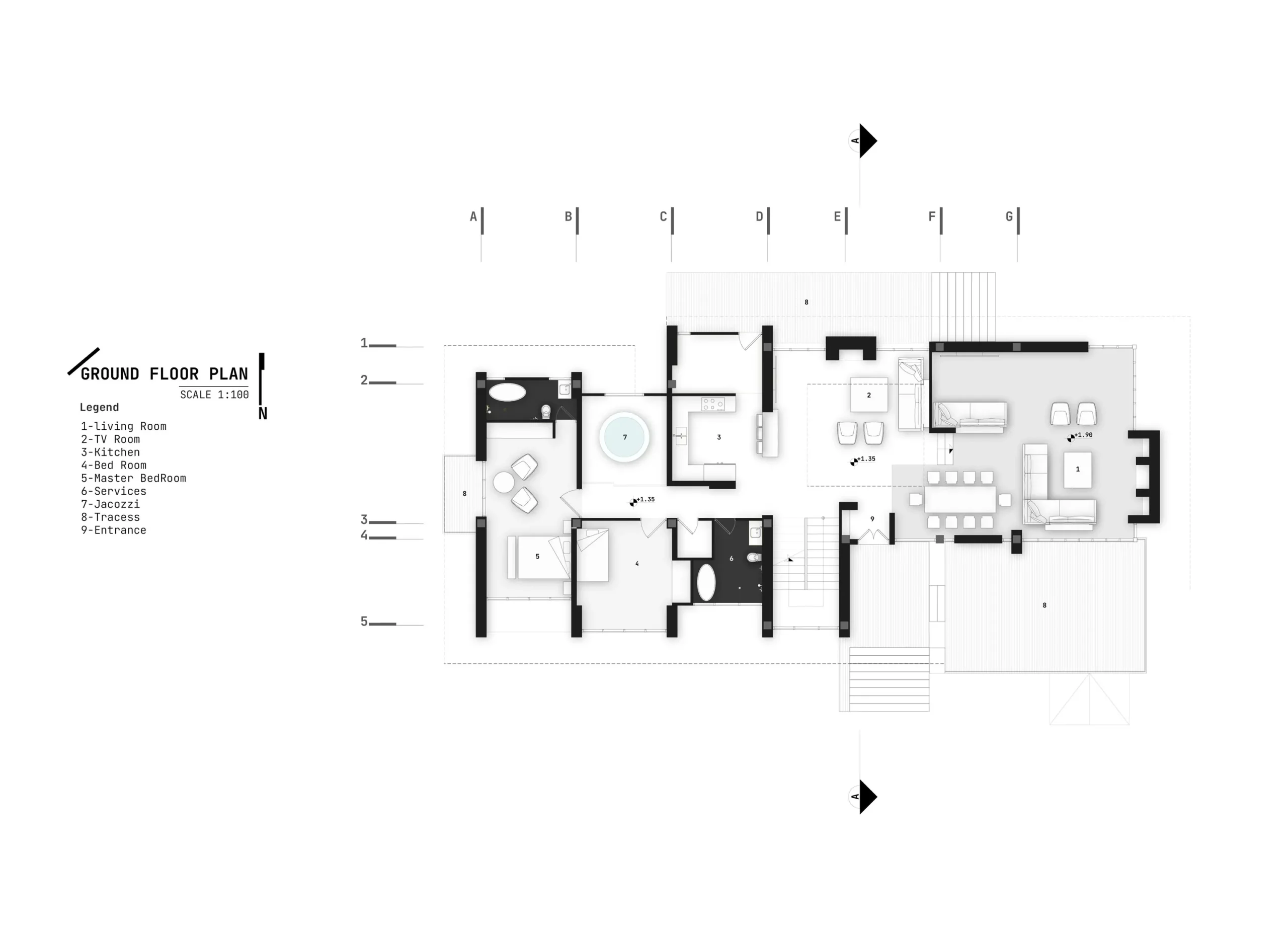
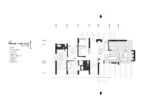
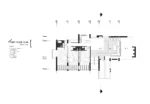
At Yekom office What we had in mind for design process of Khaneye Pedari, at first step was to pay attention to the priorities and needs of the family members. In this project, as individual needs are addressed, emphasis is also placed on enhancing family relationships in a larger context. In this project, each section of space should cater to various needs, including family gatherings, hosting guests, personal time, and private conversations. Consequently, in the next step and by considering these needs and prioritizing them, we started the design and segmentation of various independent spatial elements.
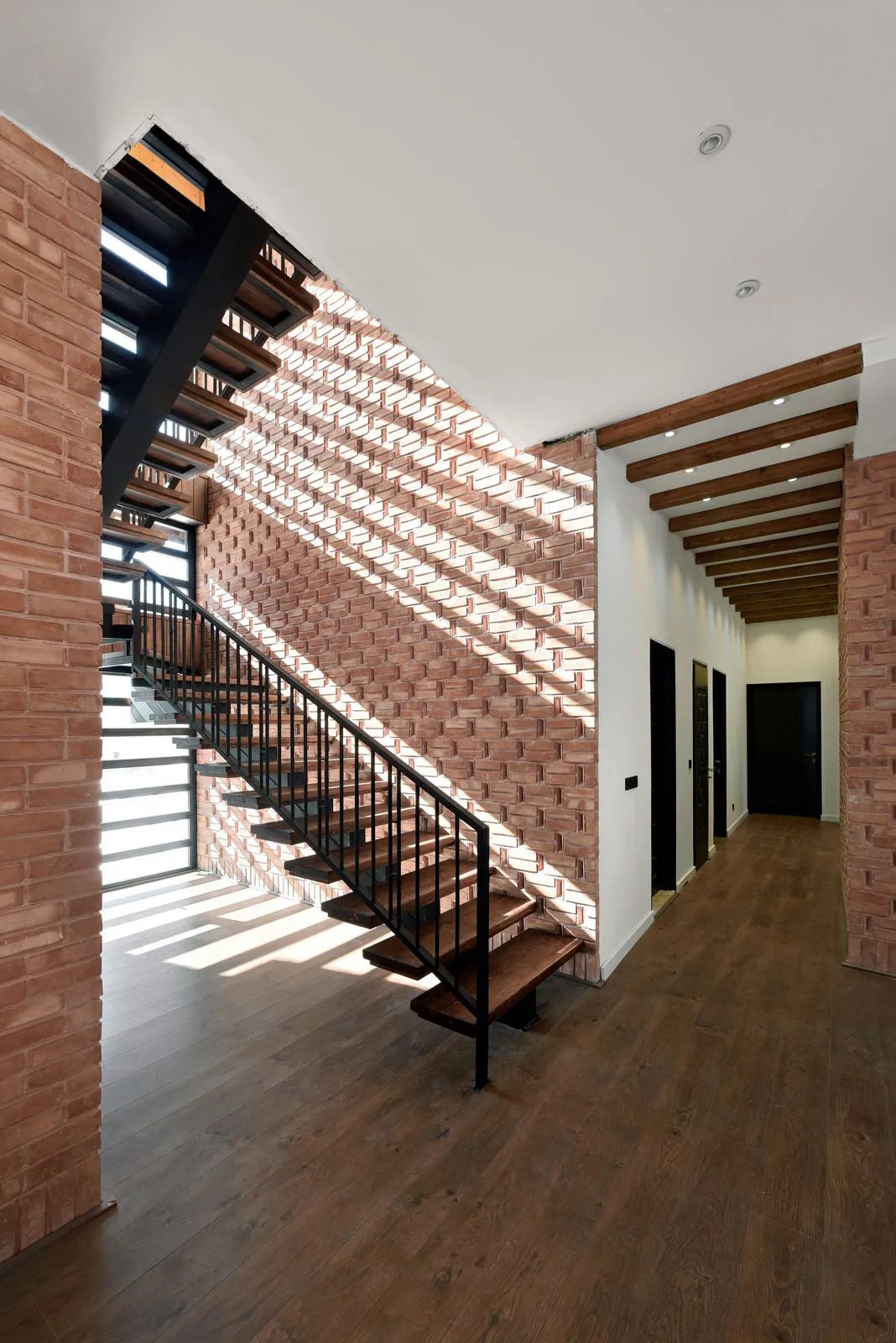
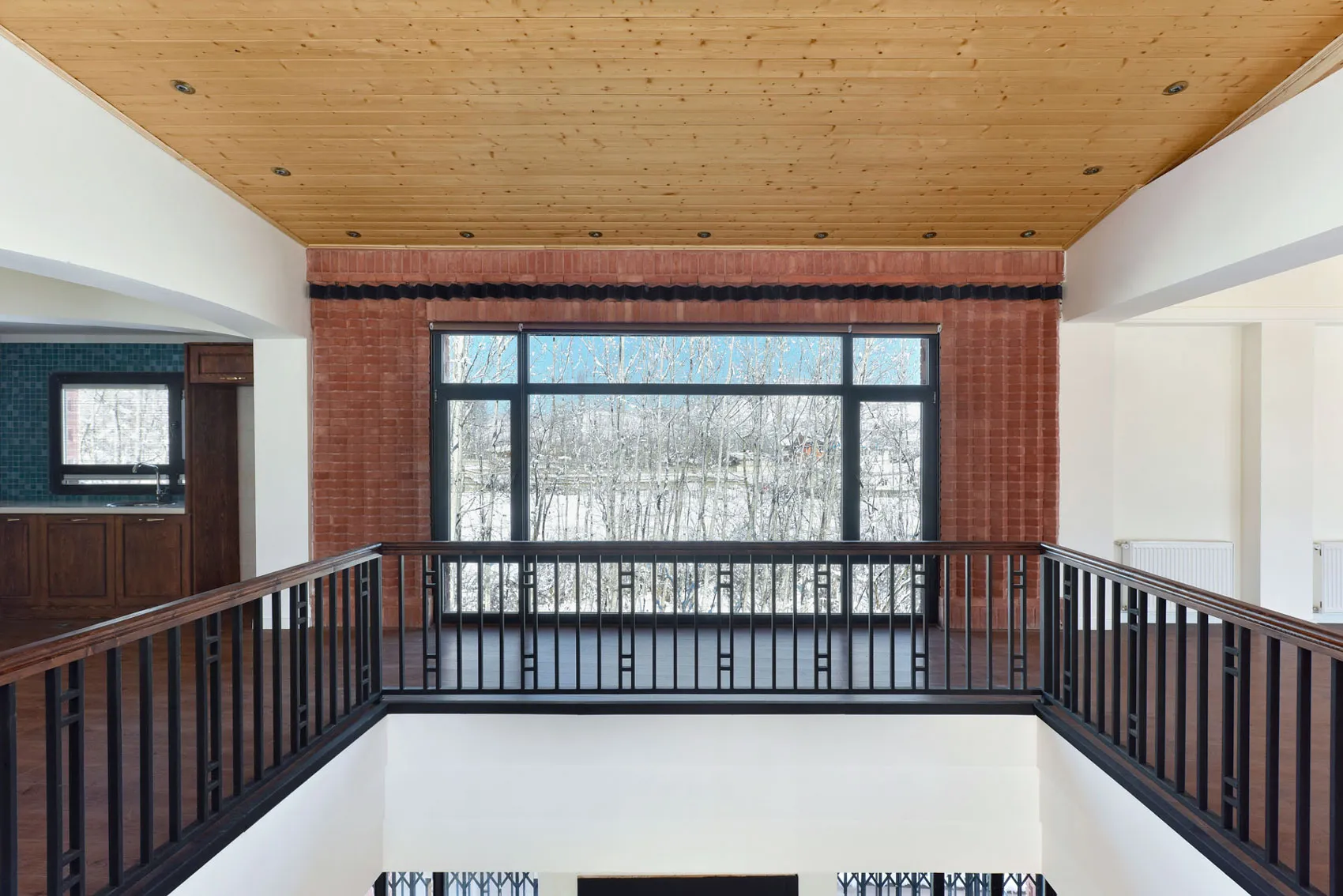
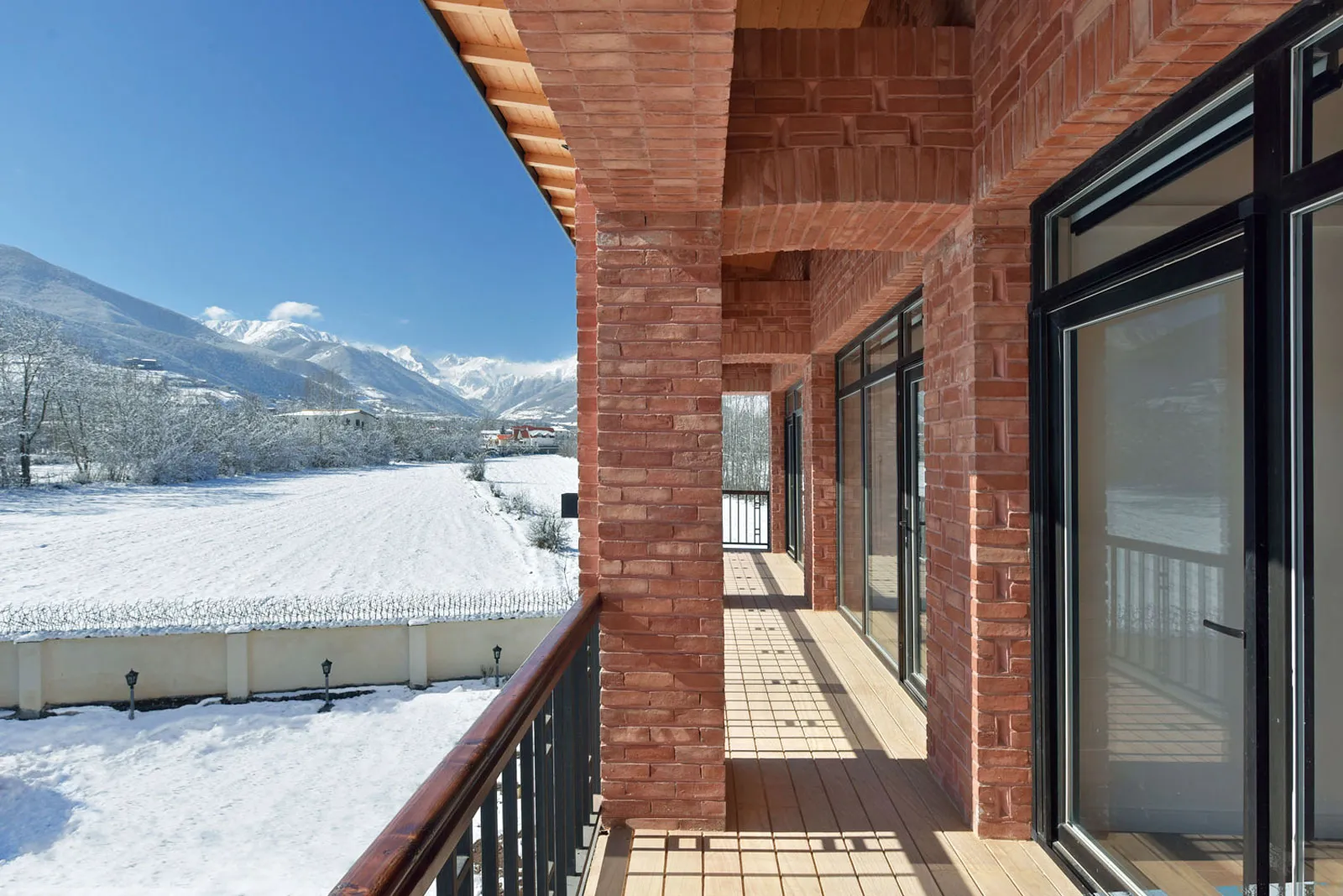
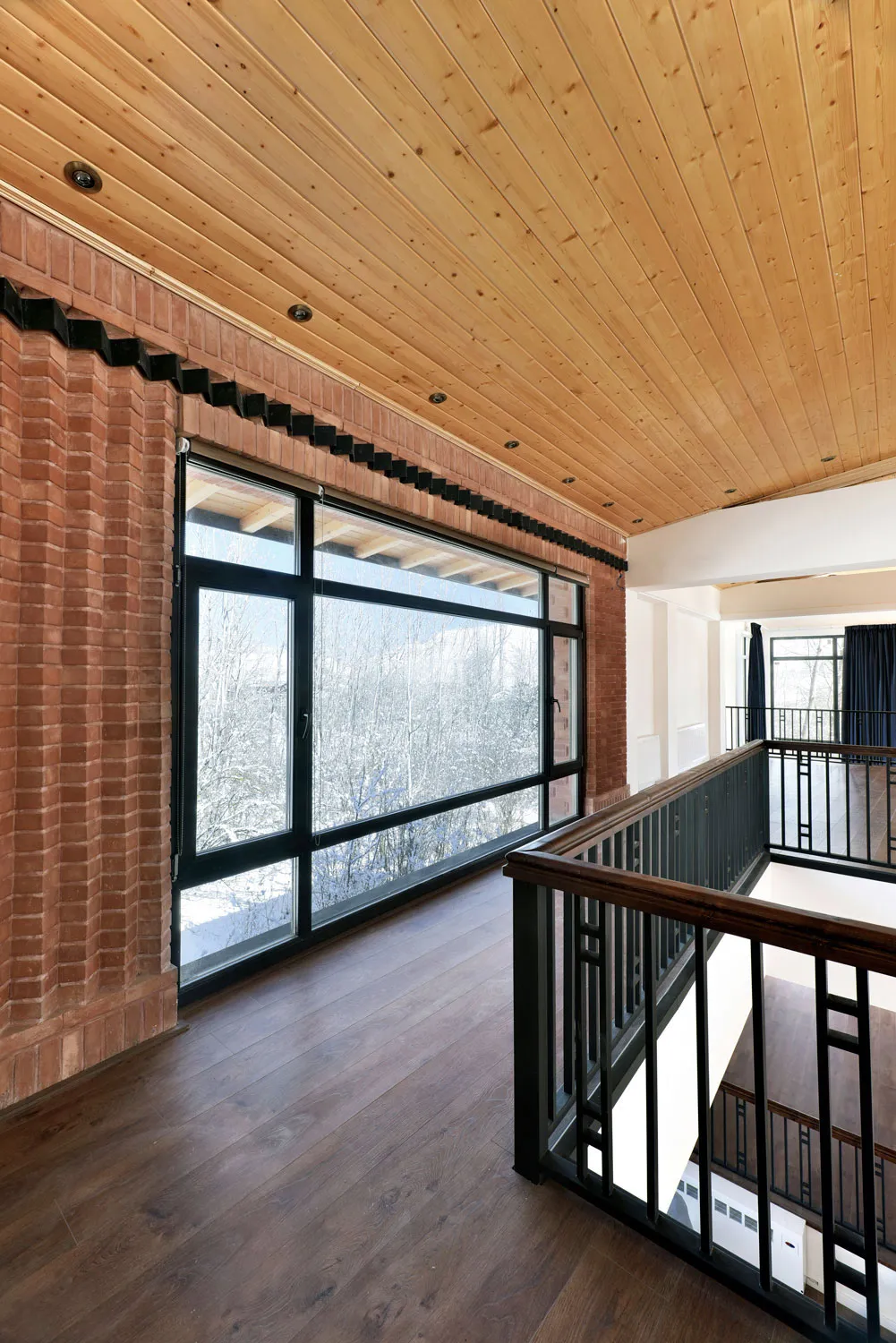
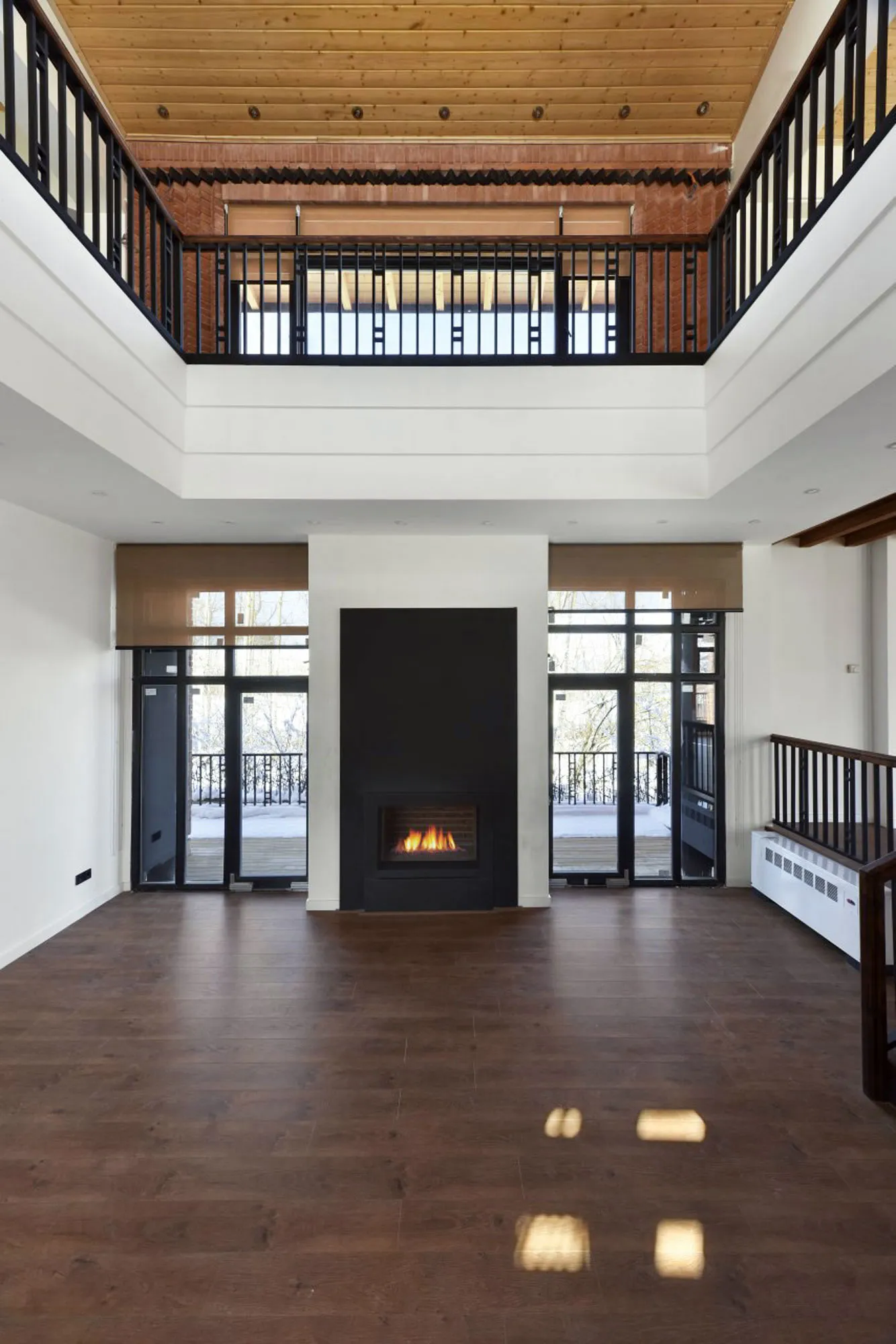
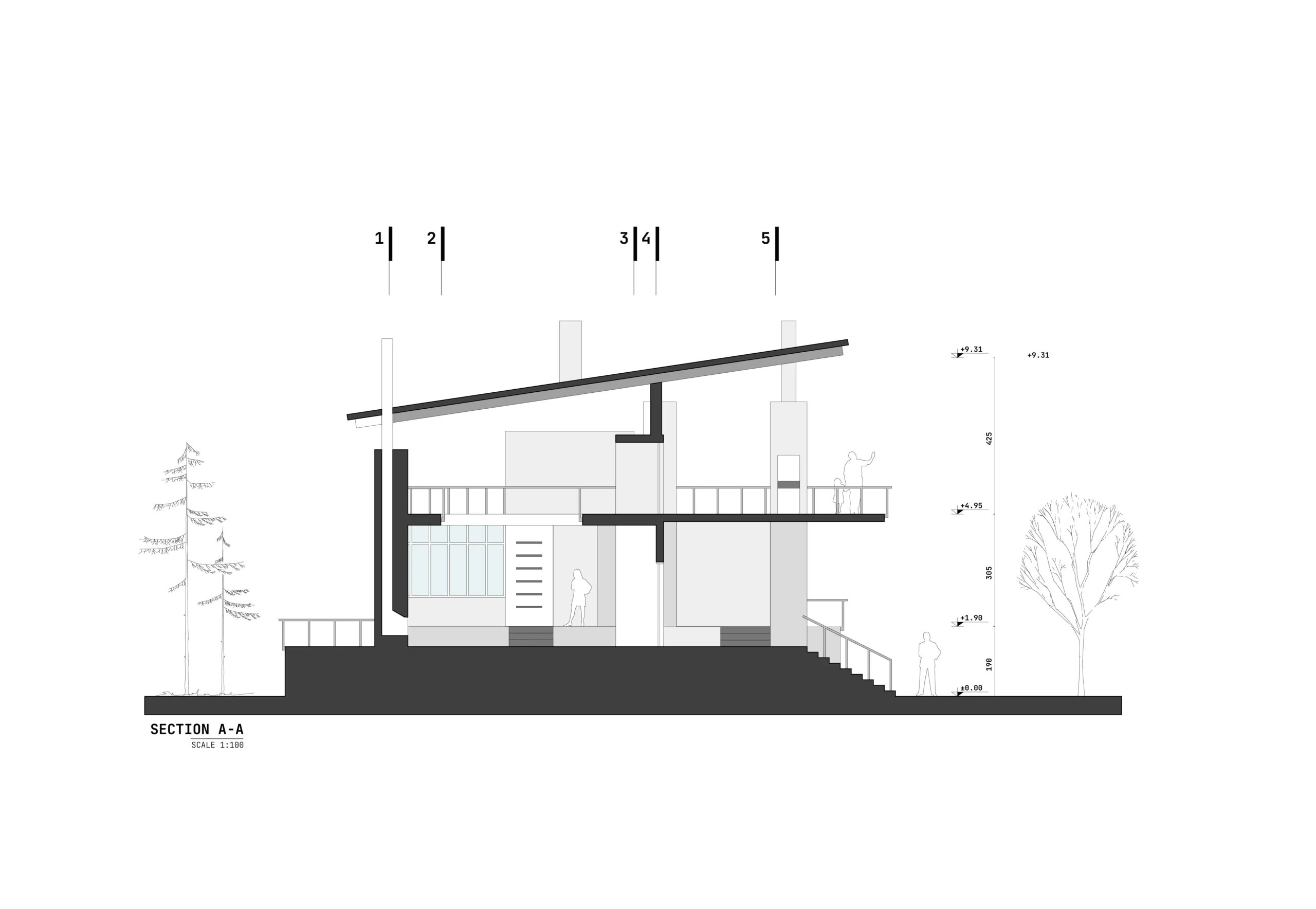
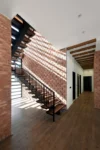
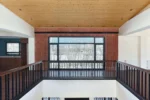
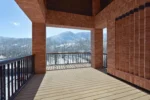
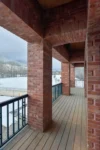
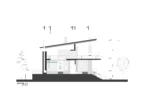
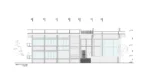
Each space at Khaneh Pedari, caters to the diverse needs of family members, and these spaces on all levels are connected with a communicative pathway. This communicative pathway, or “Promenade,” places different sections of space next to each other from the outside and inside, connecting them to each other. Another principle used in the design of Khaneh Pedari is the “Raumplan”; an approach defined with special attention to the spaces and their placement importance. This, in turn, will shape all building components, including facade and interior and exterior spaces. Using a raumplan can simultaneously respond to different spatial needs while strengthening family relationships with a focus
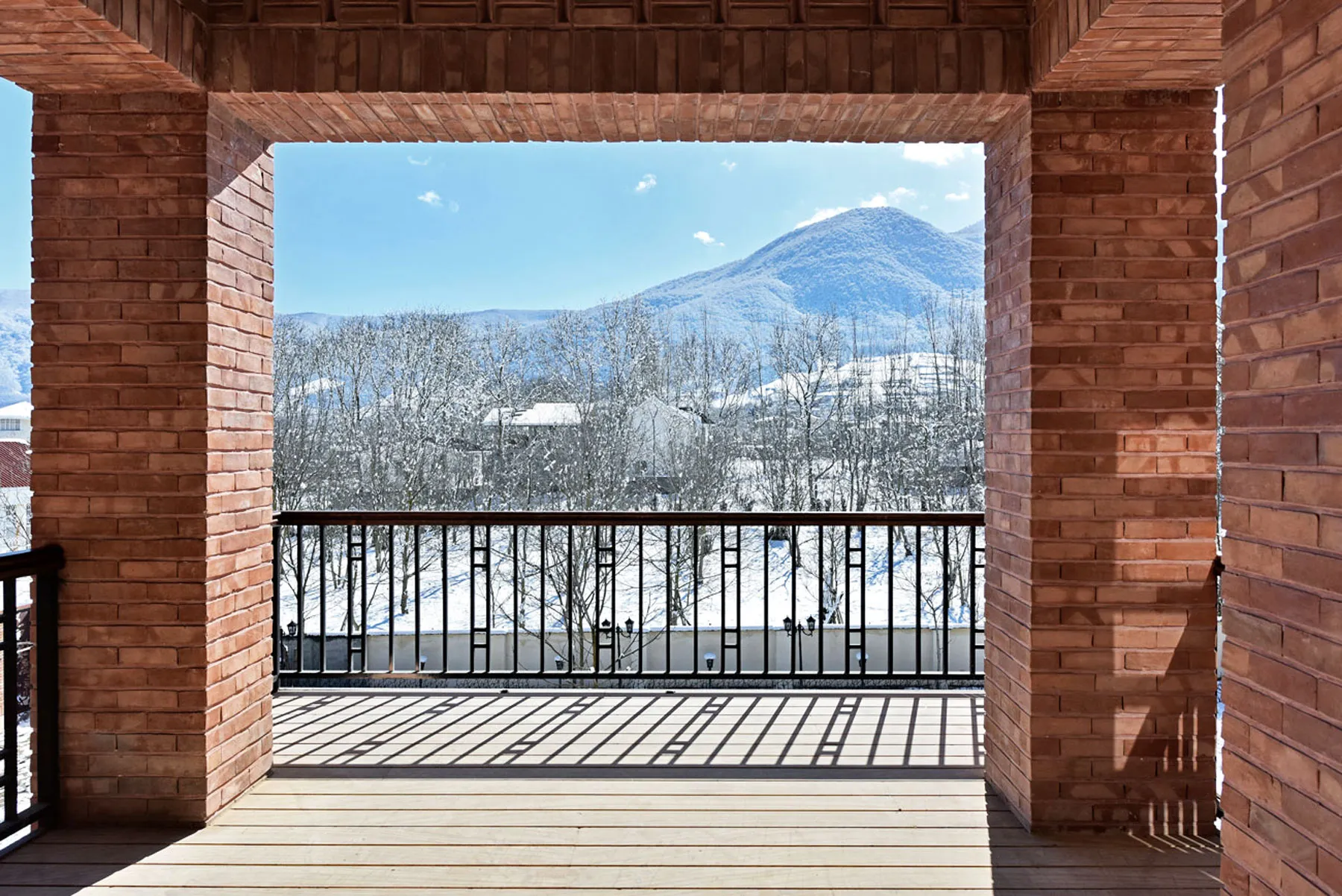
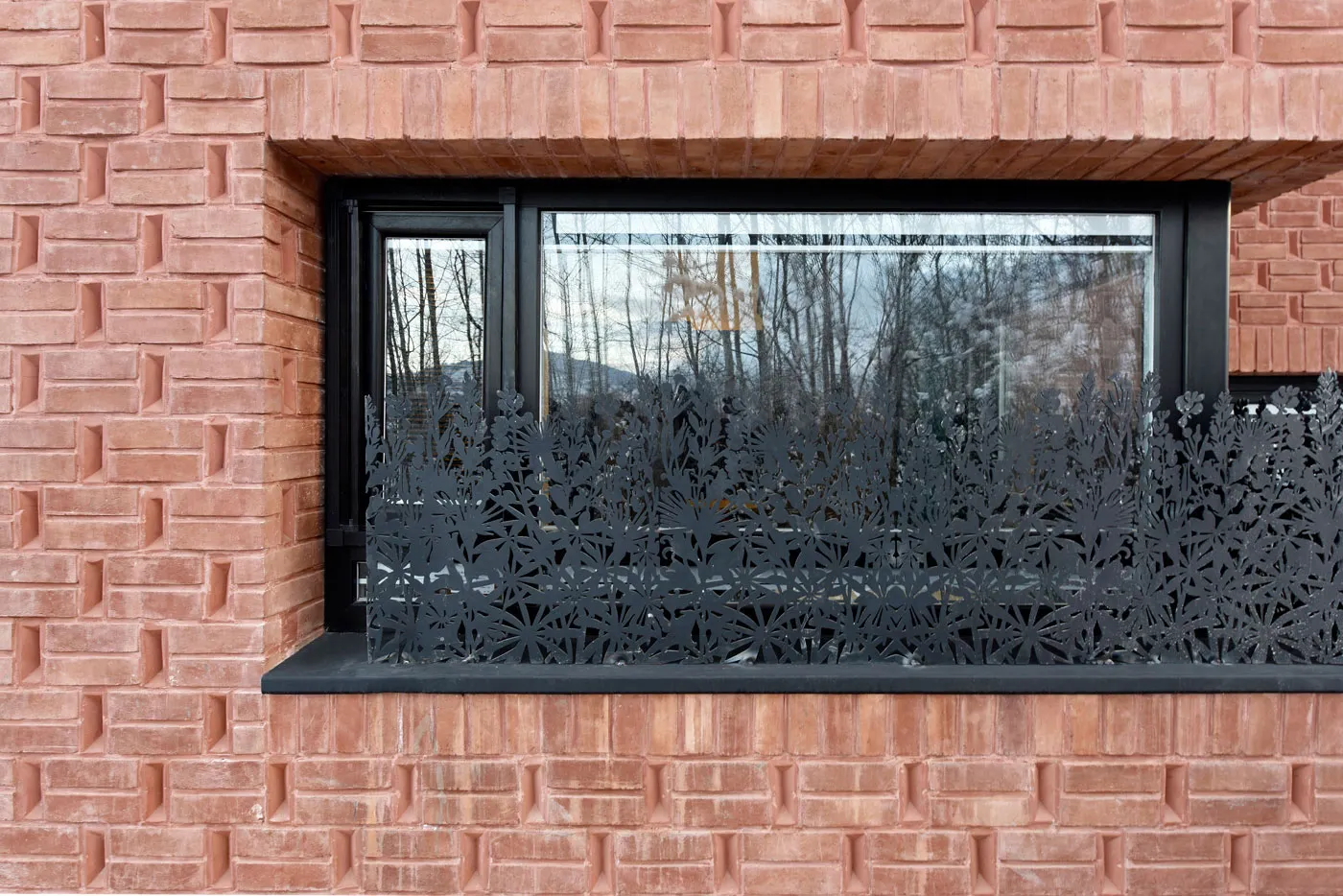
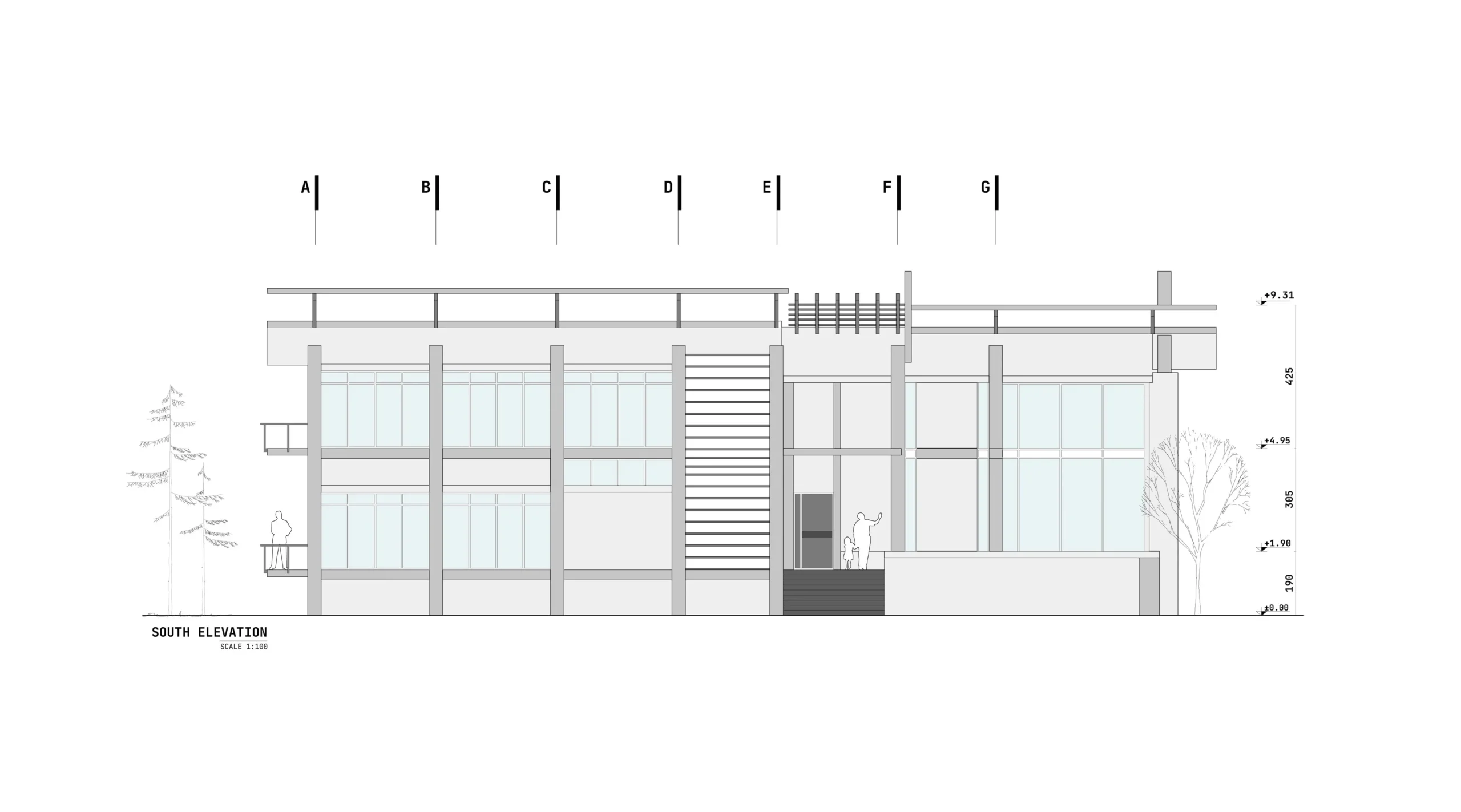
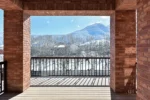
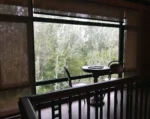
on the diagram element. In the design of this project, openings are defined according to the needs of each spatial section.
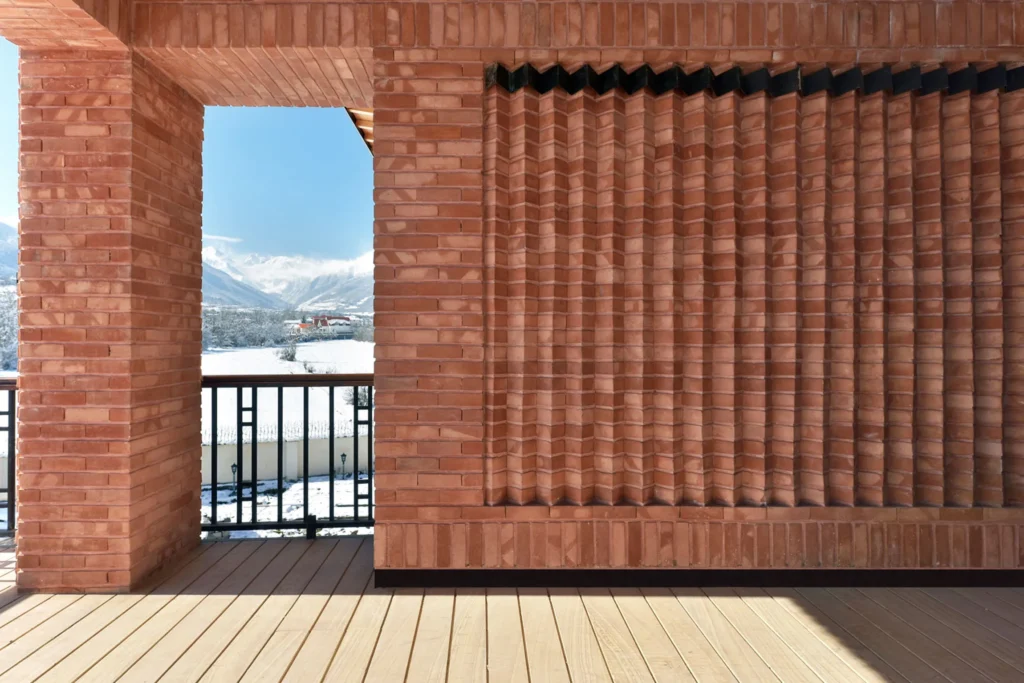
The intersection of needs and the type of residents’ in Khaneh Pedari emergence in each space may occur simultaneously and may overlap with each other. This inherent potential allows the house to provide a dynamic platform for understanding and interpreting space by each member, depending on their presence style.
All the principles used in the design of this project, including promenades, spatial segmentation, functional program, and raummplan, play a role in shaping the identity of this house. They serve as both the background in which the design takes place and a conscious stimulus that can create a dynamic platform for various types of family presence.
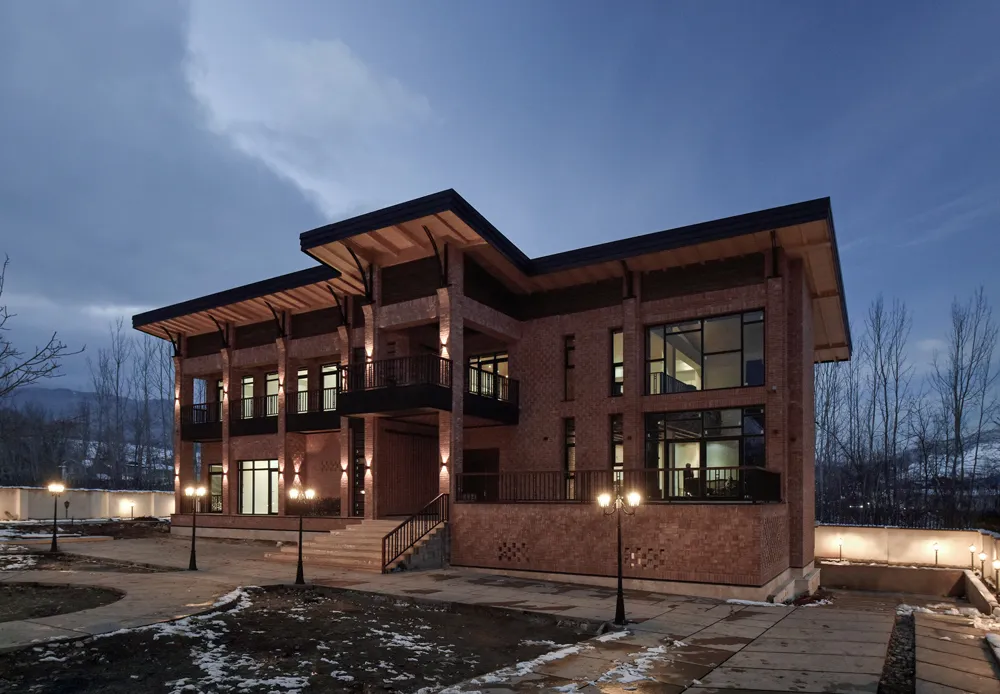
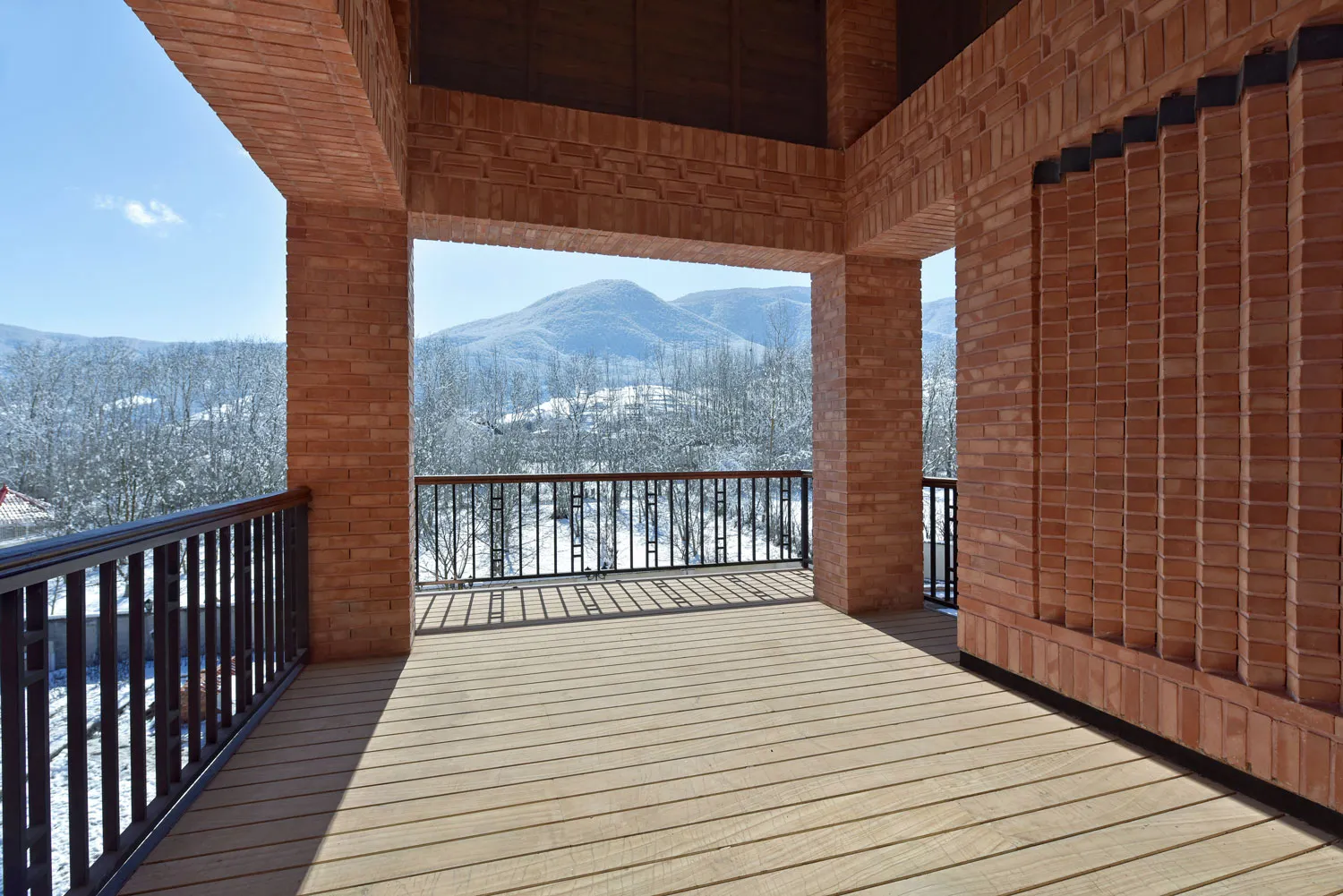
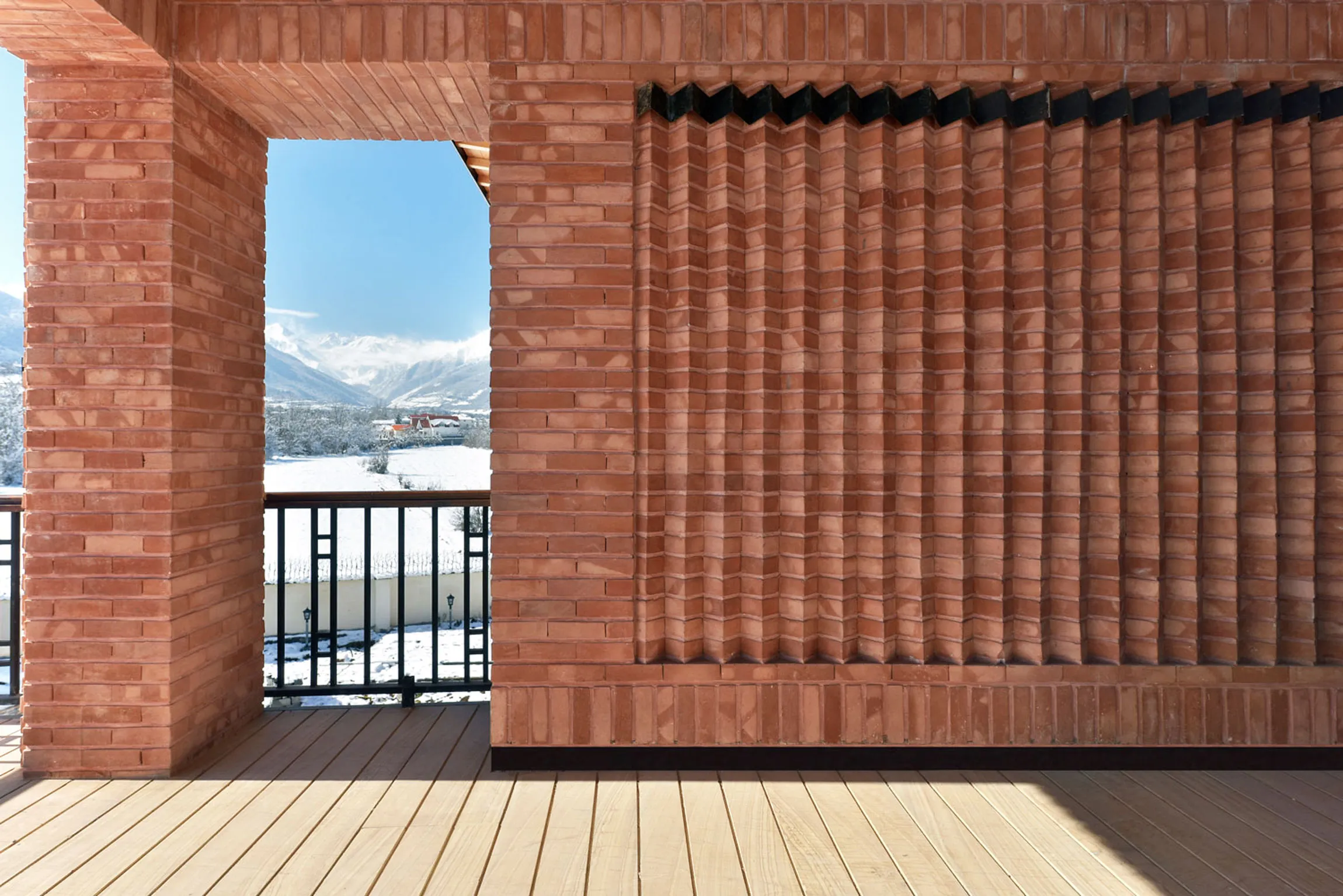
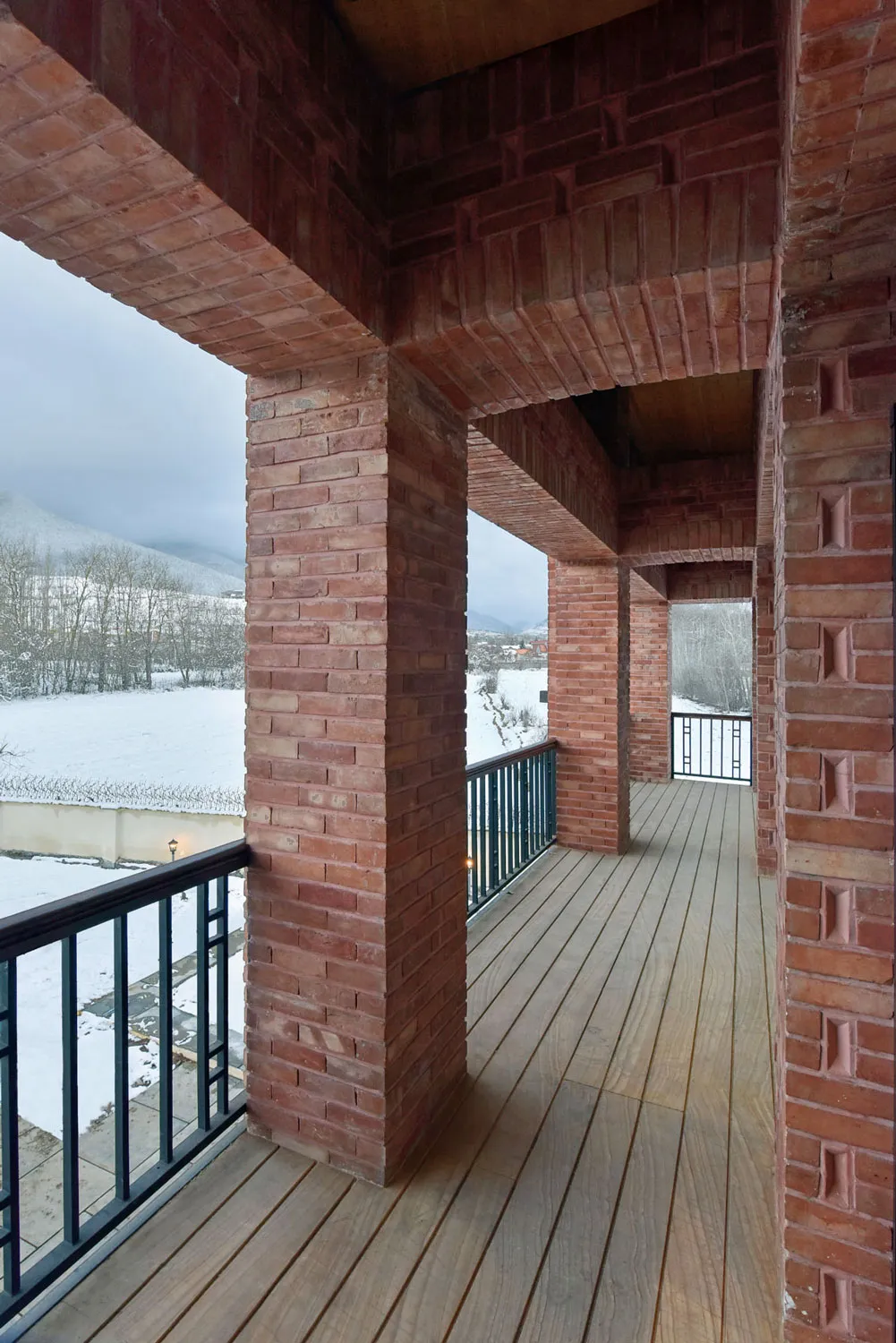
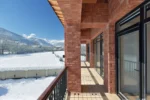
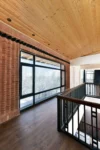
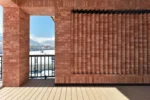
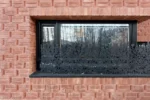
This perspective on the formation of spaces in the Khaneye Pedari project has led to the use of materials and decorations to emphasize and maintain the connections between spaces. The approach to decorations and brickwork used in this project emphasizes the entirety of the design process, and given the sophistication of this issue, it avoids the common attachment of supplementary decorations in contemporary structures of its time.
